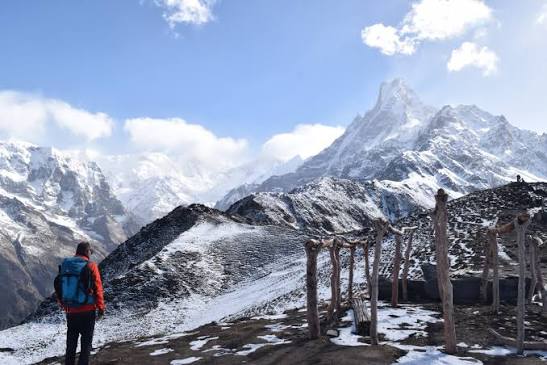
Home to eight of the world’s ten highest mountains—including Mount Everest—Nepal is the ultimate global destination for mountain lovers and outdoor enthusiasts. Whether you are looking to cross high-altitude passes, experience rich Sherpa culture, or walk through tranquil rhododendron forests, trekking in Nepal offers an unforgettable experience.
In this comprehensive guide, we cover the top trekking regions, the best times to visit, essential permits, packing advice, and practical safety tips to help you plan the adventure of a lifetime.
Table of Contents
Top Trekking Regions in Nepal
1. Everest Region (Khumbu)
The Khumbu region is legendary for its majestic peaks and Sherpa hospitality. Trekkers fly into the mountain airstrip at Lukla before making their way toward the foot of the world’s highest peak.
- Famous Routes: Everest Base Camp Trek, Gokyo Lakes Trek, Three Passes Trek.
- Highlights: Stand at Everest Base Camp (5,364m), take in 360-degree views from Kala Patthar (5,545m), and visit the historic Tengboche Monastery.

2. Annapurna Region
Known for its high diversity of landscapes, the Annapurna region offers everything from sub-tropical valleys to high alpine deserts.
- Famous Routes: Annapurna Base Camp Trek, Annapurna Circuit, Mardi Himal Trek, Ghorepani Poon Hill.
- Highlights: Sunrise over the Dhaulagiri and Annapurna ranges from Poon Hill, crossing Thorong La Pass (5,416m), and relaxing in natural hot springs at Jhinu Danda.
3. Langtang Region
Located north of Kathmandu, the Langtang Valley is ideal for travelers looking for stunning Himalayan views on a shorter, accessible itinerary.
- Famous Routes: Langtang Valley Trek, Gosaikunda Lake Trek, Tamang Heritage Trail.
- Highlights: Exploring Kyanjin Gompa, hiking Kyanjin Ri (4,770m), and discovering traditional Tamang Buddhist culture.
4. Restricted & Off-the-Beaten-Path Regions
For those seeking remote trails away from main trekking routes:
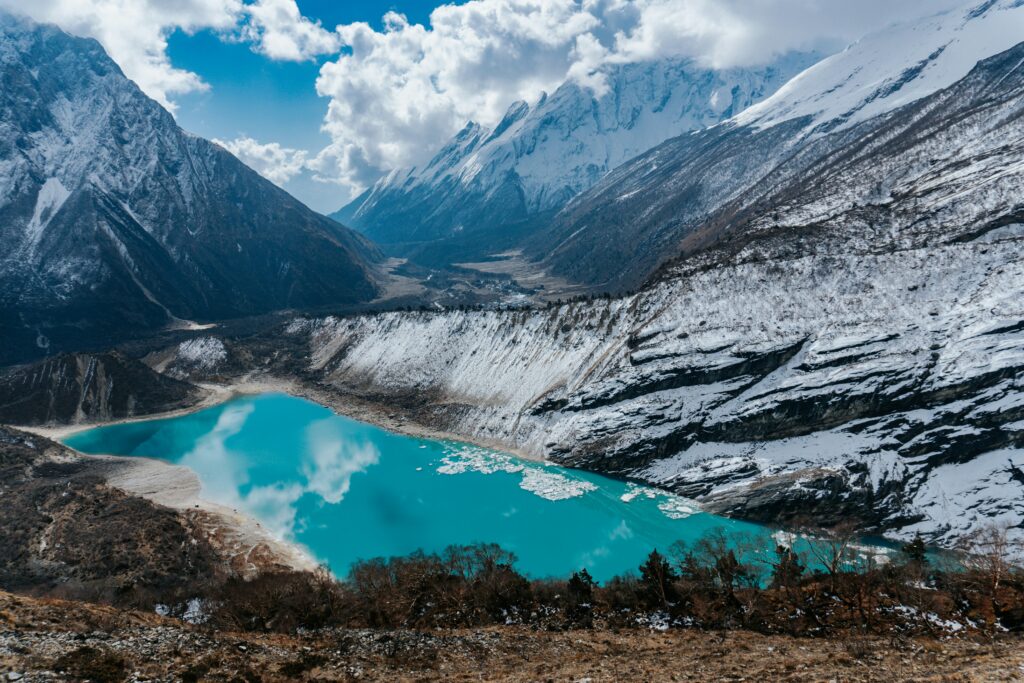
- Manaslu Circuit Trek: Encircles Mount Manaslu (8,163m) and features the dramatic Larkya La Pass (5,106m).
- Upper Mustang Trek: A rain-shadow desert trek leading into the ancient forbidden Kingdom of Lo.
Best Seasons for Trekking in Nepal
Understanding Nepal’s trekking seasons is key to getting the clearest views and safest conditions:
- Autumn (September – November): Considered the best trekking window. Autumn offers crisp, clear post-monsoon skies, comfortable daytime temperatures, and stable weather across all regions.
- Spring (March – May): The second peak season. Spring features warmer temperatures and colorful hillsides blooming with wild rhododendrons.
- Winter (December – February): Clear skies with very cold temperatures and heavy snow at high altitudes. Ideal for lower-elevation treks like Poon Hill or Mardi Himal.
- Monsoon / Summer (June – August): Heavy rain and leeches affect most regions. Rain-shadow areas like Upper Mustang and Dolpo remain dry and great to trek.
Required Trekking Permits in Nepal
Depending on your destination, you will need a combination of the following permits:
- e-TIMS Card (Trekkers’ Information Management System): Required for most standard trekking routes across Nepal.
- Conservation Area / National Park Entry Permits: Required for protected zones such as the Sagarmatha National Park Permit (Everest) or the Annapurna Conservation Area Permit (ACAP).
- Restricted Area Permits (RAP): Issued only through registered agencies for areas like Manaslu, Upper Mustang, and Nar Phu Valley.
Essential Travel & Safety Tips
- Acclimatize Properly: Altitude sickness can affect anyone regardless of fitness level. Build acclimatization days into your itinerary when going above 3,000 meters.
- Hire a Licensed Local Guide: Having a certified guide enhances safety, helps with navigation, and enriches your journey with local cultural insight.
- Get Travel Insurance: Ensure your insurance policy explicitly covers emergency high-altitude medical evacuation and helicopter rescue up to 6,000 meters.
- Pack Layers: Temperatures change drastically between warm sunny days and freezing high-altitude nights. Thermal base layers, fleece jackets, and a down jacket are essential.